Published by:

Dalibor Vuchikj
14 Oct 2023
My vision is to support companies and organizations in the development and implementation of mechanical engineering and operational projects. As a Mechanical Engineer by education, combined with a deep passion for new technologies. Specialize in offering cutting-edge digital methods and technologies, including 3D scanning, intelligent 3D modeling, documentation, 3D data processing and optimization, analysis, simulations, VR integration, and more.

Improving Engineering Design and Prototyping with Virtual Reality (VR)
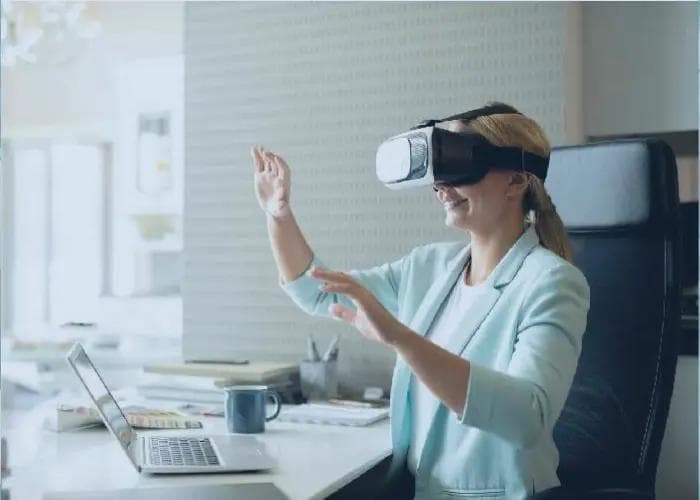
Virtual Reality (VR) gives engineering teams a practical way to review designs, evaluate 3D models, and test ideas before physical prototypes are created. By viewing a design at full scale in a virtual environment, engineers can better understand dimensions, spatial relationships, accessibility, and how different components work together.
3D Modeling and Design Review
VR allows engineering teams to view and interact with existing 3D models in a virtual environment. Instead of reviewing a complex design only on a computer screen, engineers can explore it at full scale and examine components from different positions.
This can help teams identify design issues, check equipment positions, review available space, and better understand complex mechanical systems before moving to the next project stage.
CAD and other engineering 3D models can also be prepared and optimized for use in VR, allowing existing project data to become part of the virtual design review process.
Virtual Prototyping and Simulations
Virtual prototyping allows engineers to review different design options before producing a physical prototype. Components, equipment, and complete systems can be placed in a virtual environment where teams can compare solutions and identify potential problems.
Design changes can be reviewed digitally before manufacturing or installation begins. This can reduce unnecessary physical prototypes and help teams make better-informed decisions earlier in the design process.
VR can also be combined with engineering simulations to present movements, processes, installation methods, or equipment operation in a clear 3D environment. This makes complex engineering information easier to review and communicate between project teams.
Ergonomics and User Interaction
Engineering design is not only about machines and components. It is also important to understand how people will interact with the final product, equipment, or working environment.
VR can help teams review ergonomics, accessibility, visibility, working positions, and operator interaction before a physical prototype or installation is completed.
Users can experience the proposed design at full scale and provide feedback about access, reach, controls, working space, and general usability. This information can then be used by the engineering team to improve the design.
From Digital Model to Physical Prototype
Using VR during the design process creates an additional review stage between the digital 3D model and the physical prototype. Engineering teams can evaluate the model, identify potential issues, compare different solutions, and make changes before resources are used for manufacturing.
For complex mechanical equipment and industrial projects, this approach can support better communication between designers, engineers, operators, clients, and other project stakeholders.
At IN3D Technology, we prepare and optimize engineering 3D data for VR environments, supporting design reviews, virtual prototyping, simulations, training, and technical presentations. By combining engineering knowledge with VR technology, we help teams understand complex designs and review project solutions before physical implementation.