Data Optimization and Virtual Reality
Service: Simulation of the Preliminary Design in Virtual Reality
Location: Skopje
Time: May 2020 - September 2020
Project Overview
Description:
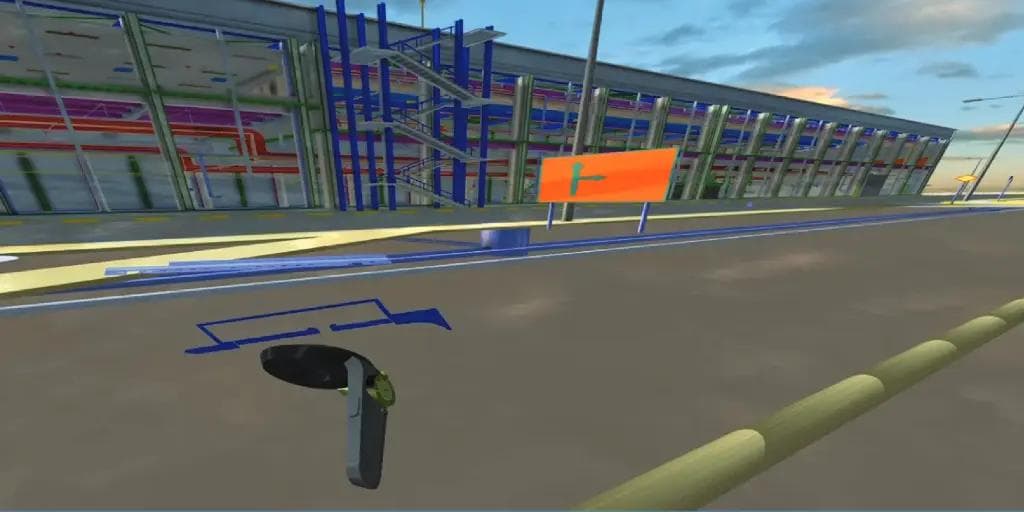
During the preliminary design phase, we used Virtual Reality (VR) technology to provide a detailed and realistic analysis of architectural, thermal, hydraulic, and electrical installations. This approach improved the understanding of space and equipment size while helping the project team identify new ideas and design improvements.
Scope of Work:
1. Virtual Reality Simulation:
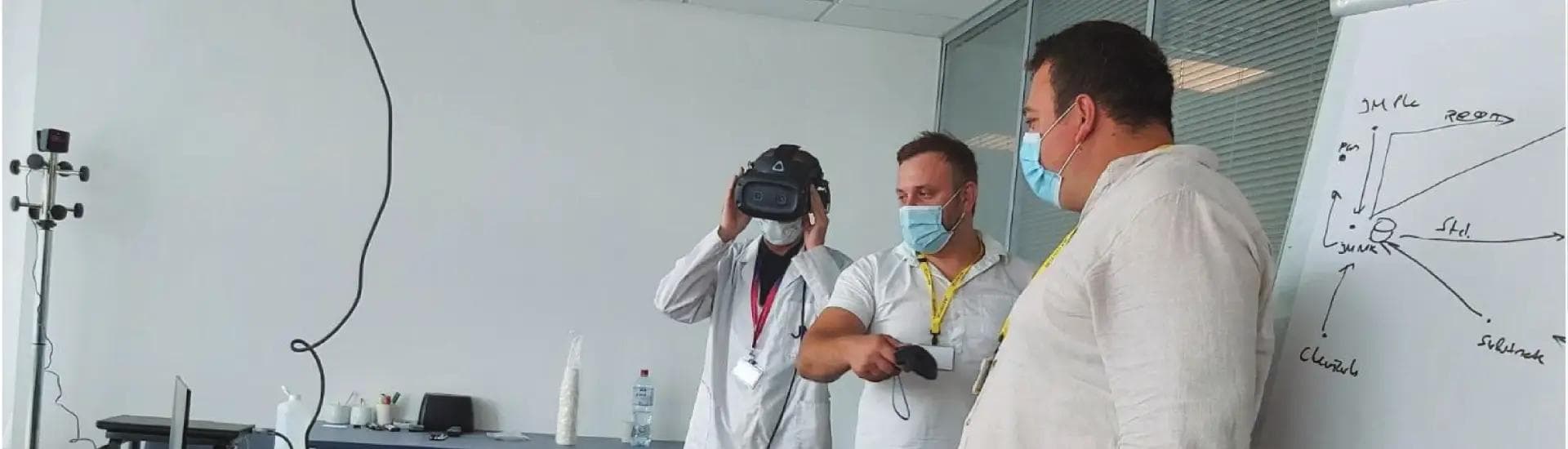
Developed a VR simulation of the preliminary design, enabling stakeholders to experience and analyze the project in a realistic, immersive environment.
Included detailed representations of architectural layouts, thermal systems, hydraulic installations, and electrical systems.
2. Realistic Spatial Analysis:
Provided a realistic sense of space and equipment size through VR, allowing the project team to better understand the design and identify potential challenges.
Supported spatial planning and the identification of potential design improvements.
3. Design Improvements:
Used the immersive VR environment to explore new ideas and potential solutions for the project.
Allowed the engineering team to review and refine design options more effectively.
4. Improved Engineering Productivity:
Demonstrated the practical use of VR technology in capital investment analysis and engineering design reviews.
Provided the engineering team with an additional tool for reviewing complex details and evaluating the preliminary design more efficiently.
5. Positive Impact on Workflow:
Made the design review process more interactive and helped the engineering team understand complex spatial information more easily.
Provided an immersive environment for reviewing specific project tasks and design requirements.
Key Outcomes
Improved Design Quality: The VR simulation provided a better understanding of space, equipment positioning, and the overall preliminary design.
New Design Ideas: The immersive environment helped the project team explore new ideas and identify potential design improvements.
Improved Engineering Workflow: VR provided an additional tool for reviewing complex design information and supporting engineering decisions.
Stakeholder Engagement: The realistic VR simulation helped stakeholders better understand the project and participate in the design review process.
By incorporating Virtual Reality technology into the preliminary design phase, we provided the engineering team and stakeholders with an immersive environment for reviewing the project at full scale. This approach supported better spatial understanding, design evaluation, communication, and decision-making during the early stages of project development.